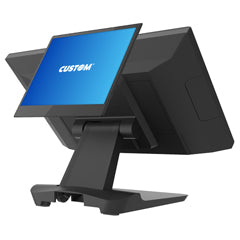

Digital signage software helps businesses create, schedule, manage, and publish content to screens, menu boards, kiosks, lobby displays, touchscreen displays, media players, and multi-location signage networks. It is commonly used by retailers, restaurants, offices, healthcare facilities, schools, warehouses, hotels, convenience stores, and service businesses that need to update customer-facing or employee-facing messaging quickly.
A complete digital signage setup usually includes more than software. Most businesses need a signage content management system, a media player, a commercial display or touchscreen, mounting hardware, network access, and a support plan for setup and ongoing content management. This guide explains what digital signage software does, what hardware is commonly required, and how to choose the right setup for your business.
Shop related Spartan POS digital signage solutions here: Digital Signage Software, Navori Digital Signage Software, Media Players & Displays, Touchscreen Monitors, MicroTouch Displays, and Kiosks.
Quick Answer: What Is Digital Signage Software?
Digital signage software is the system used to control what appears on digital screens. It lets businesses upload content, schedule playlists, manage screen layouts, publish updates, monitor displays, and control one screen or many screens from a central platform. It is used for digital menu boards, retail promotions, lobby displays, employee communication boards, wayfinding, product advertising, waiting room screens, and interactive kiosk content.
What Hardware Do You Need for Digital Signage?
The exact hardware depends on your screen count, location, content type, and whether the signage is passive or interactive. A basic digital signage setup usually includes a display, media player, signage software, mount, and internet connection. More advanced setups may include touchscreens, kiosks, commercial display mounts, POS integrations, or multi-location media players.
| Hardware or Software | What It Does | Best For |
|---|---|---|
| Digital Signage CMS | Manages content, playlists, schedules, layouts, and screen publishing | Retail, restaurants, offices, healthcare, warehouses, multi-location networks |
| Media Player | Connects to the display and plays scheduled signage content | Menu boards, promo screens, lobby displays, employee communication screens |
| Commercial Display | Displays signage content in customer-facing or employee-facing areas | Retail stores, restaurants, offices, healthcare, hospitality, public spaces |
| Touchscreen Monitor | Allows users to interact with content, menus, directories, or self-service workflows | Kiosks, wayfinding, self-service, product lookup, customer check-in |
| Kiosk Hardware | Combines display, enclosure, input, and mounting into a self-service station | Ordering, check-in, directories, queue management, customer workflows |
| Mounting Hardware | Secures screens or kiosks to walls, counters, poles, or stands | Clean commercial installations and customer-facing signage environments |
Digital Signage Software for Restaurants
Restaurants use digital signage software for digital menu boards, limited-time offers, order pickup screens, drive-thru messaging, promotional displays, kitchen-facing announcements, and multi-location menu updates. A digital menu board can help restaurants change pricing, promote specials, update seasonal items, and keep menus consistent across locations without reprinting static signs.
Common restaurant signage applications include:
- Digital menu boards
- Order pickup screens
- Combo meal promotions
- Drive-thru display content
- Limited-time offers
- Daily specials
- Multi-location menu updates
- Customer-facing promotional screens
Digital Signage Software for Retail Stores
Retailers use digital signage to promote products, highlight sales, display brand content, educate customers, improve store navigation, and create more engaging shopping experiences. A retail signage system can display product videos, promotional campaigns, seasonal messaging, loyalty program reminders, and in-store announcements.
Common retail signage applications include:
- Product promotions
- Sale and clearance messaging
- Brand videos
- Customer education
- Wayfinding and department signage
- Endcap and checkout displays
- Loyalty program reminders
- Multi-store promotional scheduling
Digital Signage for Offices, Warehouses, and Employee Communications
Digital signage is not only for customer-facing spaces. Offices, warehouses, distribution centers, and manufacturing facilities use signage to share safety messages, production goals, announcements, dashboards, schedules, visitor instructions, and internal communications.
Employee-facing signage can be used for:
- Safety reminders
- Production goals
- Warehouse performance dashboards
- Employee announcements
- Meeting room signage
- Training messages
- Shift schedules
- Emergency alerts
Navori Digital Signage Software
Navori digital signage software is designed for businesses that need professional content management, cloud access, media playback, screen scheduling, monitoring, and multi-location signage control. Navori QL can support digital menu boards, retail promotional screens, corporate communications, healthcare messaging, hospitality displays, and public-facing information screens.
Explore related Navori resources: Navori Digital Signage Software, Media Players & Displays and Navori QL Essential Cloud Guide.
Cloud vs On-Premise Digital Signage Software
Cloud digital signage software is usually best for businesses that want remote access, easier deployment, and centralized control across multiple screens or locations. On-premise digital signage software may be preferred when an organization needs more local control, internal IT management, or specific network requirements.
| Software Type | Best For | Things to Consider |
|---|---|---|
| Cloud Digital Signage | Remote management, multi-location businesses, easier updates | Requires internet access, subscription planning, and compatible media players |
| On-Premise Digital Signage | Internal IT-managed environments and local control requirements | May require server setup, local network planning, and technical support |
Passive Displays vs Interactive Digital Signage
Passive digital signage displays scheduled content without customer interaction. Interactive digital signage allows users to touch the screen, search information, place orders, check in, browse products, or navigate a directory.
- Passive signage: Best for menus, promotions, announcements, dashboards, and videos.
- Interactive signage: Best for kiosks, directories, self-service ordering, customer check-in, and product lookup.
For interactive applications, browse Touchscreen Monitors, MicroTouch Displays, Elo Products, and Kiosks.
How to Choose Digital Signage Software
1. Start with Your Use Case
A restaurant menu board, retail promotion screen, office communication display, and interactive kiosk all have different requirements. Start by identifying what the screen needs to do before choosing software or hardware.
2. Count Your Screens and Locations
A single-screen setup is much simpler than a multi-location signage network. If you need to manage content across multiple stores, offices, restaurants, or facilities, choose software that supports centralized management and remote updates.
3. Confirm Media Player Requirements
Some signage software requires specific media players or operating systems. Confirm the required player, display output, mounting needs, and network connection before purchasing hardware.
4. Choose the Right Display
Commercial displays are often better than consumer televisions for business use because they are designed for longer daily operation, mounting flexibility, and public-facing environments. Touchscreen displays are better when users need to interact with the signage.
5. Plan Content Management
Decide who will create content, how often screens will be updated, what file types you need, and whether your team needs templates, playlists, scheduling, user permissions, or remote monitoring.
Hardware You May Need
- Digital Signage Software for content management, scheduling, and publishing.
- Navori Media Players and Software for professional digital signage deployments.
- Touchscreen Monitors for interactive signage and customer-facing displays.
- MicroTouch Displays for commercial touchscreen and signage environments.
- Elo Touchscreen and Kiosk Hardware for retail, restaurant, healthcare, hospitality, and self-service environments.
- HP POS and Kiosk Hardware for retail, touchscreen, and multi-display deployments.
- Kiosks for self-service, directories, check-in, ordering, and interactive workflows.
Common Digital Signage Applications
- Digital menu boards
- Retail promotional displays
- Lobby and reception signage
- Employee communication screens
- Healthcare waiting room displays
- Hotel and hospitality signage
- Wayfinding and directories
- Self-service kiosk screens
- Warehouse dashboards
- Corporate announcement boards
- School and campus signage
- Queue and pickup displays
Related Spartan POS Digital Signage Resources
- Digital Signage Software
- Navori Digital Signage Software, Media Players & Displays
- Navori QL Essential Cloud Guide
- Touchscreen Monitors
- MicroTouch Displays
- Elo Products for POS, Kiosks & Touchscreen Systems
- HP POS Systems, Kiosks & Retail Touchscreen Hardware
- Kiosks
Compatibility Information
Compatibility depends on your signage software, operating system, media player, display type, network environment, licensing, accessories, and configuration. Confirm compatibility before ordering.
Before purchasing digital signage software or hardware, confirm your screen count, display requirements, content management needs, cloud or on-premise preference, network access, media player support, mounting requirements, and licensing terms.
Why Buy Digital Signage Software from Spartan POS?
Spartan POS helps businesses choose digital signage software and commercial hardware for retail, restaurant, hospitality, healthcare, corporate, warehouse, and multi-location environments. Spartan POS is an authorized dealer and supports the products it sells, including digital signage software, media players, commercial displays, touchscreens, kiosks, and related POS hardware.
Frequently Asked Questions
What is digital signage software?
Digital signage software is a content management system used to create, schedule, publish, and manage content on screens, menu boards, kiosks, commercial displays, and signage networks.
What hardware do I need for digital signage?
Most digital signage setups need signage software, a media player, a commercial display, mounting hardware, and network access. Interactive systems may also require a touchscreen monitor or kiosk.
Can digital signage software be used for restaurant menu boards?
Yes. Digital signage software is commonly used for restaurant menu boards, pricing updates, promotions, order pickup screens, and quick-service restaurant displays.
Can digital signage be used in retail stores?
Yes. Retail stores use digital signage for promotions, product education, featured items, sale messaging, brand content, wayfinding, and customer engagement.
What is the difference between digital signage software and a media player?
Digital signage software manages the content and schedule. A media player is the hardware device that connects to the screen and plays the scheduled content.
Is cloud digital signage better than on-premise digital signage?
Cloud digital signage is often easier for remote updates and multi-location management. On-premise digital signage may be better for organizations that require local control or internal IT-managed infrastructure.
Does Spartan POS sell Navori digital signage software?
Yes. Spartan POS offers Navori digital signage software, media players, support modules, and related signage products. Visit the Navori Digital Signage Software, Media Players & Displays collection.
Can Spartan POS help confirm compatibility?
Yes. Spartan POS supports the products it sells and can help review your signage software, media player, display, network, licensing, and hardware requirements before ordering.
Bottom Line
Digital signage software helps businesses manage screen content, menu boards, promotions, announcements, dashboards, and interactive customer experiences. The right setup depends on your screens, media players, content needs, network, display hardware, and business workflow. Start with the software platform, confirm compatible media players and displays, and build a signage system that can grow with your business.