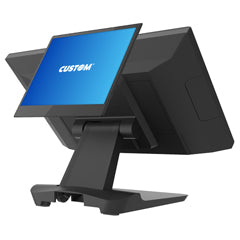

BrightSign digital signage players are commercial media players used to power digital menu boards, retail displays, lobby screens, wayfinding signs, video walls, interactive kiosks, hospitality signage, healthcare displays, corporate communications, grocery promotions, and business display networks. Instead of relying on a general-purpose computer, USB slideshow, or consumer streaming device behind every screen, BrightSign players are built for dependable digital signage playback, scheduling, device management, and commercial display workflows.
Spartan POS sells BrightSign digital signage players for businesses that need reliable signage hardware for restaurants, retail stores, grocery stores, hospitality, healthcare, corporate offices, public spaces, kiosks, and multi-location display networks. Spartan POS is an authorized dealer for the products we sell, and Spartan POS supports the POS hardware, digital signage hardware, displays, peripherals, and accessories it sells.
Quick Answer
Choose BrightSign when you need a dedicated business-grade digital signage player for a commercial display. BrightSign is a strong fit for restaurant menu boards, retail promotional screens, grocery department signage, lobby displays, wayfinding, video walls, interactive kiosks, and managed multi-screen signage networks. For a complete signage setup, pair the correct BrightSign player with the right digital signage hardware, touchscreen monitor or display, signage software, mounting hardware, cables, and content workflow.
Shop BrightSign Digital Signage Players →
What Is BrightSign?
BrightSign is a commercial digital signage platform built around dedicated signage players and business display workflows. A BrightSign player connects to a screen and plays scheduled content such as videos, images, menus, promotions, HTML5 content, wayfinding screens, employee communications, product messaging, lobby announcements, interactive kiosk content, and digital signage campaigns.
A BrightSign setup can support a single screen or scale across many screens and locations. Businesses often choose BrightSign because it gives them a more professional signage platform than basic screen mirroring, USB media playback, consumer streaming hardware, or unmanaged office PCs.
Best For
- Restaurant digital menu boards, drive-thru screens, pickup-area displays, and limited-time-offer signage
- Retail product videos, promotional screens, aisle displays, endcap screens, and brand messaging
- Grocery and convenience store deli boards, department signs, price messaging, and in-store advertising
- Hospitality, hotel, lobby, event, meeting-room, and guest-facing signage
- Healthcare waiting-room displays, patient messaging, check-in screens, and wayfinding signage
- Corporate announcements, internal communications, visitor displays, dashboards, and conference-room screens
- Interactive kiosks, touchscreen signage, customer lookup stations, and self-service content
- Video walls, multi-screen displays, public-facing content networks, and commercial visual installations
Shop BrightSign and Related Digital Signage Hardware
| Need | Best Spartan POS Link | Use This For |
|---|---|---|
| BrightSign media players | BrightSign Digital Signage Players | Dedicated media playback hardware for digital signage screens, menu boards, kiosks, and displays. |
| BrightSign LS4 models | BrightSign LS4 Product Line | BrightSign LS4 player options and related BrightSign hardware. |
| Digital signage hardware | Digital Signage | Digital signage products, signage hardware, and related business display solutions. |
| Digital signage software, players, and displays | Digital Signage Software, Players & Displays | Signage software, media players, commercial displays, touchscreen hardware, and signage solutions. |
| Navori signage software and displays | Navori Digital Signage Software, Media Players & Displays | Navori CMS, media players, commercial displays, support plans, and signage accessories. |
| Navori products | Navori | Digital signage software and related signage products. |
| Touchscreen displays and POS monitors | Touchscreen Monitors | POS displays, interactive screens, touchscreen signage, and kiosk display workflows. |
| MicroTouch desktop touch displays | MicroTouch Desktop Series | Desktop touch monitors and customer-facing touchscreen display applications. |
| MicroTouch Windows all-in-one systems | MicroTouch Windows All-in-One Systems | Windows touchscreen computers for POS, kiosk, check-in, and business display workflows. |
| POS hardware and complete business setups | POS Hardware | Retail, restaurant, hospitality, grocery, and business hardware used with signage and POS workflows. |
Why Use a BrightSign Player Instead of a PC or Streaming Device?
Consumer media devices and office PCs may work for simple display tests, but they are not always the right fit for commercial signage. BrightSign players are built for signage applications where the display needs to run consistently, support scheduled content, fit into a managed environment, and reduce hands-on maintenance.
| Option | Best For | What to Know |
|---|---|---|
| BrightSign Digital Signage Player | Commercial signage, menu boards, retail screens, kiosks, video walls, and managed display networks | Purpose-built for digital signage playback, scheduling, and business display workflows. |
| Office PC | Specialized applications where a full computer is required | Can require more operating system management, maintenance, updates, and hands-on support. |
| Consumer Streaming Device | Home entertainment or simple consumer playback | Usually not ideal for managed business signage, commercial uptime, or multi-location display networks. |
| USB Slideshow on a TV | Very basic single-screen image rotation | Limited scheduling, remote management, interactivity, content control, and deployment flexibility. |
BrightSign Display Pairings
A BrightSign player is only one part of a complete digital signage setup. For most projects, you also need the right commercial display, touchscreen monitor, mount, HDMI cable, network connection, signage software, content workflow, and installation plan. The display should match the environment, viewing distance, screen size, brightness needs, orientation, resolution, mounting location, and whether the signage will be viewed, touched, or used as part of a kiosk.
| Display Need | Best Fit | Helpful Spartan POS Links |
|---|---|---|
| Restaurant menu boards | Commercial displays for wall-mounted menu screens, promotional screens, drive-thru messaging, and customer-facing restaurant signage | BrightSign players, digital signage, and digital signage software, players, and displays |
| Retail promotional signage | Displays for product videos, sale messaging, brand content, endcap screens, and customer-facing promotions | BrightSign players, touchscreen monitors, and POS hardware |
| Interactive kiosks | Touchscreen displays or all-in-one touch systems for customer lookup, check-in, wayfinding, or self-service content | touchscreen monitors, MicroTouch Windows all-in-one systems, and BrightSign players |
| Lobby and waiting-room signage | Commercial displays for announcements, directories, visitor messaging, queue information, and wayfinding | digital signage, digital signage software and displays, and BrightSign players |
| Outdoor or rugged display environments | Sunlight-readable, durable, or protected displays for outdoor, industrial, or self-service deployments | MicroTouch Outdoor Touch Monitors, BrightSign players, and digital signage |
| POS and customer-facing display areas | Touchscreen monitors, POS displays, customer-facing screens, and business display hardware | touchscreen monitors, pole displays, and POS hardware |
Common BrightSign Use Cases
- Digital menu boards: Display restaurant menus, pricing, specials, daypart menus, limited-time offers, and promotional content.
- Retail promotions: Show product videos, sale messaging, brand content, new arrivals, endcap offers, and seasonal campaigns.
- Grocery and convenience signage: Power deli boards, fuel promotions, department signage, grab-and-go messaging, and in-store ads.
- Corporate communications: Display company updates, employee announcements, safety messaging, meeting-room information, and visitor content.
- Wayfinding: Help customers, patients, guests, employees, or visitors navigate buildings, campuses, offices, and venues.
- Kiosks and interactive displays: Support touchscreen experiences, product lookup stations, check-in workflows, self-service messaging, and guided customer journeys.
- Video walls: Create high-impact multi-screen displays for lobbies, retail stores, venues, events, and customer-facing environments.
BrightSign for Restaurants and Menu Boards
Restaurants use BrightSign players to power digital menu boards, promotional displays, pickup-area messaging, drive-thru screens, and limited-time-offer signage. A BrightSign signage player can help restaurants keep menus and promotions consistent without relying on printed signs or manual USB updates at every screen.
BrightSign can be a strong fit for quick-service restaurants, cafes, coffee shops, pizza shops, delis, bakeries, bars, food courts, ghost kitchens, and multi-location restaurant groups that need dependable display hardware for customer-facing menu and promotional content.
BrightSign for Retail, Grocery, and Convenience Stores
Retailers, grocery stores, and convenience stores use BrightSign to show promotional content, in-store advertising, product education, endcap messaging, department specials, seasonal campaigns, loyalty messaging, and customer-facing information. A reliable signage player can help stores keep displays active and coordinated with merchandising and sales goals.
BrightSign can support front-of-store displays, checkout-area screens, shelf and aisle messaging, department displays, customer service counters, fuel-center signage, deli departments, and back-office employee communication screens. Businesses building a broader checkout or store-hardware setup can also review POS hardware, POS systems, and retail POS systems.
BrightSign for Kiosks and Touchscreen Signage
BrightSign can be used in interactive signage and kiosk workflows when paired with the correct display, software, content, touch support, enclosure, and configuration. For interactive or POS-adjacent display projects, review touchscreen monitors, MicroTouch desktop touch displays, MicroTouch Windows all-in-one systems, and Elo touchscreen and kiosk solutions.
BrightSign and Digital Signage Software
BrightSign hardware is part of the signage system, but the software and content workflow are just as important. Businesses should confirm how content will be created, uploaded, scheduled, approved, updated, and managed across one screen or multiple locations.
For signage software planning, review the Digital Signage Software Guide, Digital Signage Software, Players & Displays, Navori Digital Signage Software, Media Players & Displays, and Navori. If you are comparing signage platforms, read Navori vs BrightSign.
What You Need for a BrightSign Setup
A BrightSign deployment usually includes more than the media player itself. Before ordering, confirm the full display workflow, including screens, mounts, network access, content software, cabling, audio needs, and who will manage content updates.
- BrightSign player: Choose the right model for playback needs, display resolution, interactivity, networking, and deployment size.
- Commercial display or touchscreen: Confirm screen size, mounting location, brightness, orientation, touch requirements, and input compatibility.
- Digital signage software: Confirm scheduling, content management, user permissions, remote updates, and approval workflows.
- Storage or content workflow: Confirm how content will be loaded, scheduled, updated, and managed.
- Network connection: Confirm Ethernet, Wi-Fi, or offline playback requirements depending on the deployment.
- Mounting and cables: Confirm HDMI, power, network cabling, display mounts, player mounts, and cable management.
- Content planning: Confirm menu-board design, promotional graphics, wayfinding layouts, kiosk screens, video formats, and update ownership.
BrightSign Player Selection Guide
The right BrightSign player depends on the job. Some businesses only need simple playback for a single menu board or lobby display, while others need more advanced signage for interactivity, multi-screen displays, video walls, networked content updates, or larger deployments.
| Signage Need | BrightSign Direction | What to Confirm |
|---|---|---|
| Basic digital menu board or promotional screen | BrightSign player for standard scheduled playback | Confirm content type, screen resolution, update method, storage, and network requirements. |
| Retail product videos or branded content | BrightSign player matched to video playback and display requirements | Confirm video format, resolution, display connection, and content schedule. |
| Interactive kiosk or touchscreen display | BrightSign player and touchscreen-compatible workflow | Confirm touch support, software platform, user interface, enclosure, and display compatibility. |
| Video wall or multi-screen display | BrightSign workflow designed for synchronized or multi-screen content | Confirm screen count, layout, synchronization, content creation, and installation needs. |
| Multi-location signage network | BrightSign setup with remote content management and consistent deployment standards | Confirm network access, user permissions, content scheduling, support process, and rollout plan. |
BrightSign Buying Checklist
| Question | Why It Matters |
|---|---|
| How many screens do you need? | A single-screen setup is different from a multi-location signage network. |
| What type of content will play? | Video, images, menus, HTML5, interactive content, and live data can require different capabilities. |
| What display resolution is required? | Confirm whether the screen workflow needs standard HD, 4K, or another display requirement. |
| Will the signage be interactive? | Touchscreen, kiosk, button, sensor, or interactive workflows may require a different setup. |
| How will content be updated? | Confirm whether updates are local, networked, scheduled, remote, or managed by a third party. |
| Is network access available? | Ethernet, Wi-Fi, and offline playback options affect installation and support planning. |
| Who will manage the signage? | Assigning content ownership helps avoid outdated menus, stale promotions, and display downtime. |
Common Mistakes to Avoid
- Buying only the player without planning content: Confirm who creates, schedules, approves, and updates the signage content.
- Forgetting the display: The screen must match the signage environment, size, brightness, resolution, orientation, and viewing distance.
- Using the wrong display for the environment: Outdoor, window-facing, high-brightness, touchscreen, and kiosk displays may require different hardware.
- Ignoring network access: Remote content updates require the correct network plan.
- Forgetting mounting and cabling: Plan power, HDMI, Ethernet, Wi-Fi, mounts, enclosures, player mounting, and cable management before installation.
- Choosing the wrong player for interactivity: Kiosks, touchscreens, sensors, and video walls may need different hardware and software support.
- Not testing the content on the real screen: Test resolution, readability, orientation, audio, layout, and playback before launch.
What You May Need With BrightSign
- BrightSign digital signage players for business signage, menu boards, media playback, kiosks, and managed display networks
- BrightSign LS4 product line for LS4 player options and related BrightSign hardware
- Digital signage solutions for restaurant, retail, grocery, hospitality, healthcare, corporate, and public-facing displays
- Digital signage software, players, and displays for software, media players, commercial displays, and signage solutions
- Navori digital signage software, media players, and displays for CMS, displays, support plans, and managed signage workflows
- Touchscreen monitors for kiosk, interactive signage, customer lookup, check-in, and POS-adjacent workflows
- MicroTouch desktop touch displays for desktop touchscreen display applications
- MicroTouch Windows all-in-one systems for POS, kiosk, check-in, and interactive display workflows
- Elo products for touchscreen monitors, POS systems, kiosks, and commercial touch displays
- POS hardware for complete retail, restaurant, hospitality, grocery, and business technology setups
- HDMI cables, network cables, display mounts, player mounts, power planning, and cable-management accessories
- Digital signage software, content scheduling, menu-board design, promotional graphics, wayfinding content, or kiosk interface planning
Related Spartan POS Links
- BrightSign Digital Signage Players
- BrightSign LS4 Product Line
- Digital Signage
- Digital Signage Software, Players & Displays
- Digital Signage Software Guide
- Navori Digital Signage Software, Media Players & Displays
- Navori
- Navori vs BrightSign
- Touchscreen Monitors
- MicroTouch Desktop Series
- MicroTouch Windows All-in-One Systems
- MicroTouch Outdoor Touch Monitors
- Elo Products
- Pole Displays
- POS Hardware
- POS Systems
- Retail POS Systems
Compatibility Guidance
BrightSign compatibility depends on the exact player model, display, screen resolution, HDMI requirements, storage media, network connection, content format, signage software, touch or interactivity requirements, accessories, mounting, power, and configuration. Confirm your display, content workflow, software platform, network requirements, and installation needs before ordering.
Compatibility depends on your POS software, operating system, connection type, drivers, accessories, and configuration. Confirm compatibility before ordering.
Frequently Asked Questions
What is BrightSign used for?
BrightSign is used for commercial digital signage, including restaurant menu boards, retail displays, grocery promotions, lobby screens, wayfinding signage, corporate communications, healthcare displays, kiosks, video walls, and multi-location display networks.
Do I need a BrightSign player for every screen?
Many digital signage setups use a dedicated player for each display, but the correct design depends on the number of screens, content layout, synchronization needs, video wall design, software, and installation plan.
What display should I use with BrightSign?
The right display depends on the environment, screen size, brightness, resolution, orientation, mounting location, and whether the screen is interactive. Review touchscreen monitors, digital signage software, players, and displays, and digital signage solutions when planning a complete setup.
Is BrightSign better than using a PC for digital signage?
BrightSign is often a better fit for dedicated commercial signage because it is purpose-built for signage playback and managed display workflows. A PC may still be required for specialized applications, but it can add operating system maintenance and support complexity.
Can BrightSign be used for restaurant menu boards?
Yes. BrightSign is commonly used for digital menu boards, promotional displays, daypart menus, drive-thru messaging, and restaurant display networks.
Can BrightSign be used for retail displays?
Yes. Retailers use BrightSign for product videos, in-store promotions, endcap displays, customer-facing screens, brand messaging, and sales campaigns.
Can BrightSign support interactive kiosks?
BrightSign can support interactive signage workflows when paired with the right hardware, display, content, software, and configuration. Confirm touchscreen, input, software, enclosure, and mounting requirements before ordering.
What do I need besides a BrightSign player?
You may need a commercial display, touchscreen monitor, HDMI cable, mounting hardware, network connection, storage media, signage software, content design, power planning, and installation support depending on the project.
Should I use BrightSign or Navori?
BrightSign is often selected for dedicated signage player hardware and player-based deployments. Navori is often selected when the priority is signage software, CMS management, content scheduling, and multi-location screen control. For a deeper comparison, read Navori vs BrightSign.
Can Spartan POS help choose the right BrightSign setup?
Yes. Spartan POS supports the products it sells and can help confirm the right BrightSign player, display workflow, signage software, connectivity, accessories, and installation requirements for your business.
Bottom Line
BrightSign digital signage players are a strong choice for businesses that need reliable commercial signage playback for menu boards, retail displays, kiosks, video walls, wayfinding, corporate communications, and multi-location screen networks. Build the right setup by pairing the correct BrightSign player with the right digital signage hardware, display or touchscreen, signage software, content workflow, network plan, mounting hardware, and support process.