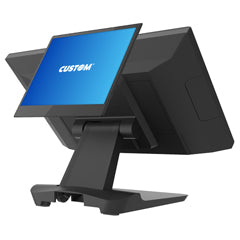

POS Systems for Dummies
A POS system, or point-of-sale system, is the hardware and software a business uses to ring up sales, accept payments, print receipts, manage inventory, track customers, and run daily operations. A modern POS setup may include a touchscreen terminal, tablet, receipt printer, barcode scanner, cash drawer, payment device, label printer, kitchen printer, customer display, mobile computer, and cloud-based POS software.
This beginner guide explains POS systems in plain English so business owners can understand what they need before buying hardware. Spartan POS supports the products it sells and helps businesses choose POS hardware that fits their software, workflow, industry, connection type, and daily transaction volume.
What Is a POS System?
A POS system is the checkout system used to complete a sale. In a retail store, the POS system scans products, calculates totals, accepts payment, prints receipts, and updates inventory. In a restaurant, the POS system sends orders to the kitchen, manages tabs, prints guest receipts, and tracks sales by server, table, menu item, or location.
In simple terms, a POS system connects three things:
- POS software: the program that manages sales, items, payments, inventory, customers, and reports.
- POS hardware: the physical equipment such as printers, scanners, cash drawers, terminals, tablets, and payment devices.
- Business workflow: how your store, restaurant, warehouse, or service business actually operates day to day.
Common POS Hardware
- POS terminal or tablet: the main screen used to enter sales, manage orders, and operate the POS software.
- Receipt printer: prints customer receipts, order tickets, and transaction records. Browse receipt printers.
- Barcode scanner: scans UPCs, SKUs, product labels, loyalty cards, and inventory barcodes. Browse barcode scanners.
- Cash drawer: stores cash and coins and often opens automatically through a receipt printer. Browse cash drawers.
- Label printer: prints barcode labels, product labels, shelf labels, shipping labels, and inventory labels. Browse label printers.
- Kitchen printer: prints food and drink tickets in restaurants, bars, cafes, and quick-service environments. Browse impact kitchen printers.
- Mobile computer: used for inventory counts, receiving, warehouse scanning, and stock lookup. Browse mobile computers.
- Receipt paper and labels: consumables required for receipt and label printing. Browse receipt paper and labels.
POS Systems by Business Type
Retail Stores
Retail POS systems usually focus on checkout speed, barcode scanning, inventory accuracy, returns, customer history, and reporting. A typical retail POS setup includes a terminal or tablet, receipt printer, barcode scanner, cash drawer, and label printer.
Popular retail hardware workflows include Shopify POS hardware, Square compatible hardware, Clover compatible hardware, Lightspeed POS hardware, and QuickBooks POS replacement hardware.
Restaurants
Restaurant POS systems usually focus on order entry, kitchen routing, bar tickets, split checks, tips, tables, online orders, delivery, and receipt printing. A typical restaurant POS setup includes front-counter receipt printers, kitchen printers, cash drawers, terminals, tablets, and restaurant networking.
Popular restaurant POS hardware workflows include Toast POS hardware, TouchBistro compatible hardware, Revel POS compatible hardware, NCR Aloha compatible hardware, Oracle MICROS compatible hardware, and Restaurant Manager POS compatible hardware.
Warehouses and Fulfillment
Warehouse and fulfillment operations use POS-related hardware for barcode scanning, label printing, shipping labels, receiving, picking, packing, and inventory management. A typical setup may include barcode scanners, mobile computers, label printers, shipping label printers, and packing station hardware.
For ecommerce and shipping workflows, browse ShipStation compatible hardware, barcode scanners, mobile computers, and label printers.
How POS Hardware Connects
POS hardware can connect in different ways depending on the software and device being used. Connection type is one of the most important things to confirm before ordering.
- USB: common for fixed checkout stations and Windows-based POS systems.
- Ethernet: common for receipt printers, kitchen printers, warehouse printers, and shared network devices.
- Bluetooth: common for tablets, iPads, mobile scanners, and compact setups.
- Wi-Fi: useful in some environments but can be less stable than Ethernet for printers.
- Serial: common in older legacy POS systems and restaurant deployments.
- RJ11/RJ12 drawer cable: commonly used to connect cash drawers to receipt printers.
Basic POS Setup Example
A simple retail POS station may include:
- POS tablet or touchscreen terminal
- Receipt printer
- Barcode scanner
- Cash drawer
- Payment terminal
- Receipt paper
A restaurant POS station may include:
- POS terminal or iPad
- Front-counter receipt printer
- Kitchen printer
- Cash drawer
- Bar printer
- Restaurant networking hardware
- Receipt paper and kitchen printer paper
Beginner Buying Tips
- Choose your POS software before buying hardware.
- Confirm every printer, scanner, cash drawer, and payment device is supported by your POS system.
- Match the connection type to your environment: USB, Ethernet, Bluetooth, Wi-Fi, or serial.
- Use Ethernet printers for restaurants, kitchens, and multi-station environments when possible.
- Do not assume hardware from one POS system will work with another POS system.
- Plan for consumables such as receipt paper, labels, ribbons, and replacement parts.
- For growing businesses, choose commercial-grade hardware instead of consumer-grade accessories.
Common POS Mistakes
- Buying a receipt printer before confirming POS compatibility.
- Buying a cash drawer without checking the printer-driven cable type.
- Using Wi-Fi printers in busy restaurants when Ethernet would be more reliable.
- Choosing a barcode scanner that does not support the barcode type being used.
- Forgetting to order receipt paper, labels, ribbons, or cables.
- Trying to reuse old legacy hardware without checking drivers or operating system support.
- Assuming all thermal printers print the same type of labels or receipts.
Compatibility Warning
Compatibility depends on your POS software, operating system, connection type, drivers, accessories, and configuration. Confirm compatibility before ordering.
Related Beginner Guides and Hardware Collections
- Receipt Printers
- Barcode Scanners
- Cash Drawers
- Label Printers
- Impact Kitchen Printers
- Mobile Computers
- Receipt Paper and Labels
- Shopify POS Hardware
- Square Compatible Hardware
- Clover Compatible Hardware
- Lightspeed POS Hardware
- Toast POS Hardware
- ShipStation Compatible Hardware
Frequently Asked Questions
What does POS mean?
POS means point of sale. It is the system a business uses to complete sales, accept payments, print receipts, manage items, and track transactions.
What hardware do I need for a POS system?
Most businesses need a POS terminal or tablet, receipt printer, payment device, and internet connection. Retail stores may also need barcode scanners, cash drawers, and label printers. Restaurants may need kitchen printers and restaurant networking hardware.
Can any receipt printer work with any POS system?
No. Receipt printer compatibility depends on the POS software, operating system, connection type, drivers, and exact printer model.
Do I need a barcode scanner for my POS system?
Retail stores, liquor stores, convenience stores, warehouses, and inventory-heavy businesses usually benefit from barcode scanners. Service businesses and small restaurants may not need one.
Do I need a cash drawer?
You need a cash drawer if your business accepts cash payments. Many cash drawers connect through a compatible receipt printer.
What is the difference between a receipt printer and a label printer?
A receipt printer prints transaction receipts or kitchen tickets. A label printer prints barcode labels, price labels, shipping labels, product labels, and inventory labels.
What is the best POS system for a small business?
The best POS system depends on your business type, inventory needs, payment setup, reporting requirements, hardware needs, and budget. Hardware should always be chosen after confirming POS software compatibility.
Can Spartan POS help me choose POS hardware?
Yes. Spartan POS supports the products it sells and helps businesses choose receipt printers, barcode scanners, cash drawers, label printers, kitchen printers, mobile computers, and POS accessories for real-world business workflows.
Bottom Line
A POS system is more than just a cash register. It is the combination of software, hardware, payments, printing, scanning, inventory, and workflow that keeps a business running. The best POS hardware setup depends on your software, industry, connection type, checkout process, printing needs, and inventory workflow. Spartan POS can help businesses choose practical POS hardware that fits the way they actually operate.